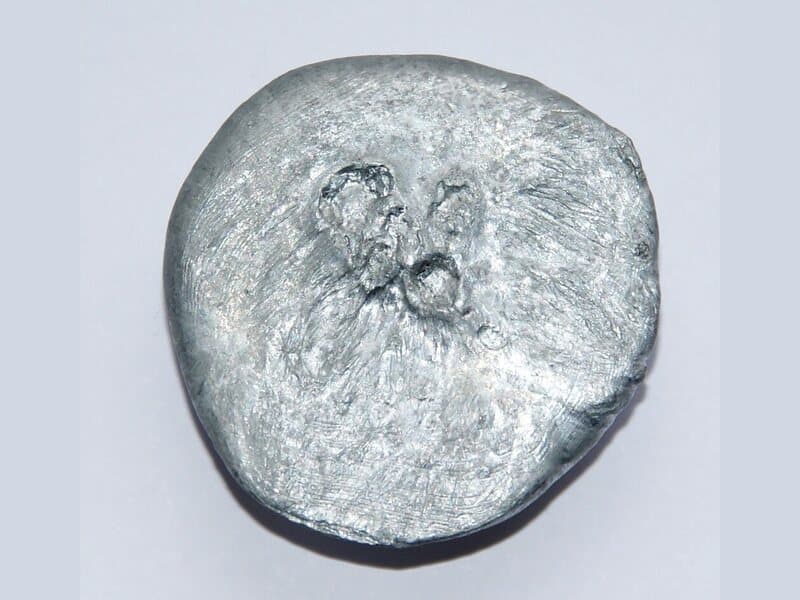
Zinc
A trace mineral. You need only a little of it, but your immune system relies on it.
- per 8 ml serving
- 2 mg
- of the salts by weight
- 0.45%
- in a 250 ml glass
- 0.5 mg
What it does.
Figures marked with an asterisk link to their sources at the foot of the page.
Zinc is called a trace mineral because your body needs it in milligrams, not grams. European food regulators accept that zinc contributes to the normal function of the immune system, to the protection of cells from oxidative stress and to normal macronutrient metabolism*1.
Sweat carries very little zinc, about 0.1 to 20 micromoles per litre*2. So the zinc in bev. is there for your everyday intake, not to replace what you sweat out.
How much zinc you take in depends on what else you eat. Phytate, found in whole grains and pulses, holds on to zinc and lowers how much of it you absorb. That is why European reference intakes rise from 9.4 to 16.3 mg a day for men, and from 7.5 to 12.7 mg for women, as phytate in the diet goes up*3.
Read about zinc on WikipediaFound in nature
Oysters
Oysters are one of the best-known food sources of zinc*4. bev. makes zinc an everyday thing: 2 mg in every serving.
How much is in bev.
bev. uses zinc gluconate, a form your body takes up well. In a study of 15 adults taking zinc without food, zinc gluconate was absorbed about as well as zinc citrate, with a median of 61%, and better than zinc oxide, at 50%*5.
A serving gives as much zinc as about 26 g of pumpkin seeds, nearly an ounce, which would also bring 143 kcal*6.
All of it comes with zero sugar and zero calories in the prepared drink. One squeeze into a bottle of water and it is ready, with no tablets to dissolve.
Where it comes from.
It comes from a single salt, zinc gluconate.
| Ingredient | Per serving | Zinc |
|---|---|---|
| Zinc gluconate | 14 mg | 2 mg |
| Total | 14 mg | 2 mg |