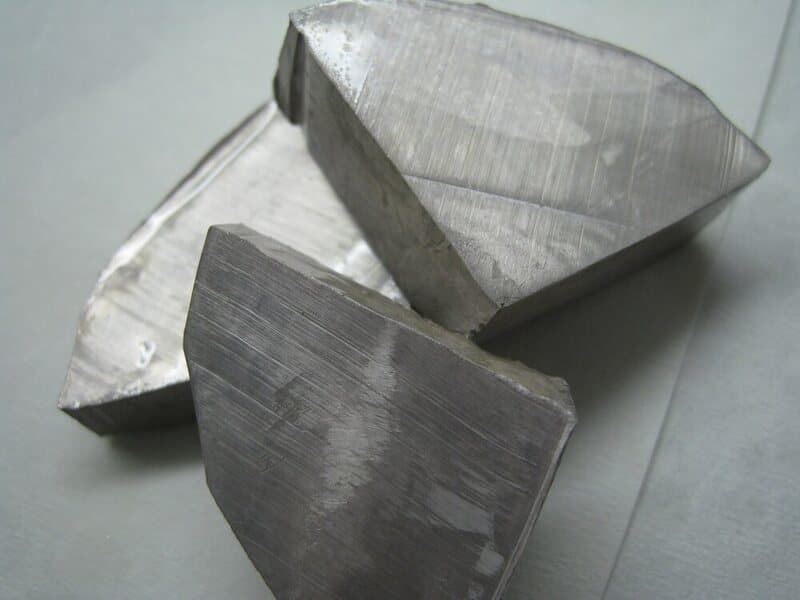
Sodium
The electrolyte you lose most of when you sweat, and the one that helps your body hold on to the water you drink.
- per 8 ml serving
- 600 mg
- of the salts by weight
- 64.8%
- in a 250 ml glass
- 150 mg
What it does.
Figures marked with an asterisk link to their sources at the foot of the page.
Sodium is the main electrolyte in the fluid outside your cells. Where sodium goes, water follows, so sodium sets how much water your body holds between and around its cells.
Sweat is mostly water, but it carries sodium with it. Reported sweat sodium ranges from about 10 to 90 mmol per litre*1. In a study of 506 athletes, the average was about 36 mmol per litre, roughly 825 mg in every litre of sweat, and the average sweating rate was 1.2 litres an hour*2.
The sodium in a drink changes how much of it you keep. After exercise, people who drank more sodium passed less urine and stayed better hydrated*3*4. In one study, drinking more than you sweated only helped if the drink carried enough sodium. Without it, the extra water was simply passed as urine*3.
That matters most on the days you sweat a lot: long training sessions, hot commutes, outdoor work in summer. On a quiet day indoors, food usually covers your sodium and your kidneys keep the balance.
Read about sodium on WikipediaFound in nature
Seawater
Every kilogram of seawater carries about 10.8 g of sodium, more than any other dissolved metal*5. Where the sun gets to work on still, shallow water, as on the shores of the Dead Sea, the water goes and the salt stays behind as crystals.
How much is in bev.
Made up as directed, bev. carries about 26 mmol of sodium per litre. That is roughly three quarters of the sodium in an average litre of athletes’ sweat*2.
It is also a strength that has been tested. In a study where the drinks differed only in their sodium, men rehydrating after exercise on a 26 mmol per litre drink were 359 ml short of their starting fluid level five and a half hours later, against 689 ml on an almost sodium-free drink. That is about half the shortfall*4.
All of it comes with zero sugar and zero calories in the prepared drink. One squeeze into a bottle of water and it is ready, with no tablets to dissolve.
Where it comes from.
Most of it comes from sodium chloride, which is ordinary salt. Sodium gluconate and trisodium citrate dihydrate add the rest.
| Ingredient | Per serving | Sodium |
|---|---|---|
| Sodium chloride | 1,231 mg | 484 mg |
| Sodium gluconate | 554 mg | 58 mg |
| Trisodium citrate dihydrate | 246 mg | 58 mg |
| Total | 2,031 mg | 600 mg |