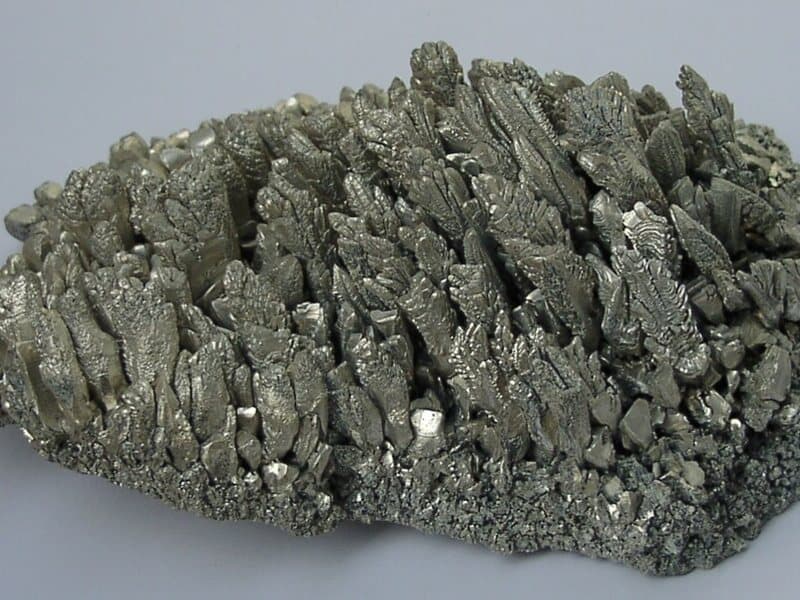
Magnesium
A quiet worker inside every cell, involved in turning the food you eat into energy.
- per 8 ml serving
- 57.4 mg
- of the salts by weight
- 15.3%
- in a 250 ml glass
- 14 mg
What it does.
Figures marked with an asterisk link to their sources at the foot of the page.
After potassium, magnesium is the most common positively charged mineral inside your cells. It takes part in more than 600 enzyme reactions, including the ones that release energy from food and build proteins, and its role is clearest in the brain, the heart and the skeletal muscles*1.
European food regulators accept that magnesium contributes to a reduction of tiredness and fatigue, to electrolyte balance, to normal energy-yielding metabolism and to normal muscle function*2.
Sweat carries only small amounts of magnesium, about 0.02 to 0.4 mmol per litre*3.
Read about magnesium on WikipediaHow much is in bev.
Made up as directed, bev. carries about 2.4 mmol of magnesium per litre. That is nearly six times the highest level reported in sweat*3, so a litre of bev. carries more magnesium than a litre of sweat takes away.
All of it comes with zero sugar and zero calories in the prepared drink. One squeeze into a bottle of water and it is ready, with no tablets to dissolve.
Where it comes from.
It comes from magnesium chloride hexahydrate. Hexahydrate means each crystal holds six water molecules, which is why the salt weighs far more than the magnesium it delivers.
| Ingredient | Per serving | Magnesium |
|---|---|---|
| Magnesium chloride hexahydrate | 480 mg | 57.4 mg |
| Total | 480 mg | 57.4 mg |